Purpose of Pressure Switches in Industries
Ever wondered how industrial systems operate safely and efficiently under harsh conditions? How do large chemical factories, oil refineries, and power plants keep exact control over their processes to avoid catastrophic failures? The answer is partly found in the humble but important instrument “Pressure Switches”.
“These measuring tools have a simple purpose: to control pressure and ensure industrial safety by continuously monitoring pressure levels and activating essential responses when thresholds are exceeded.”
What is a Pressure Switch?
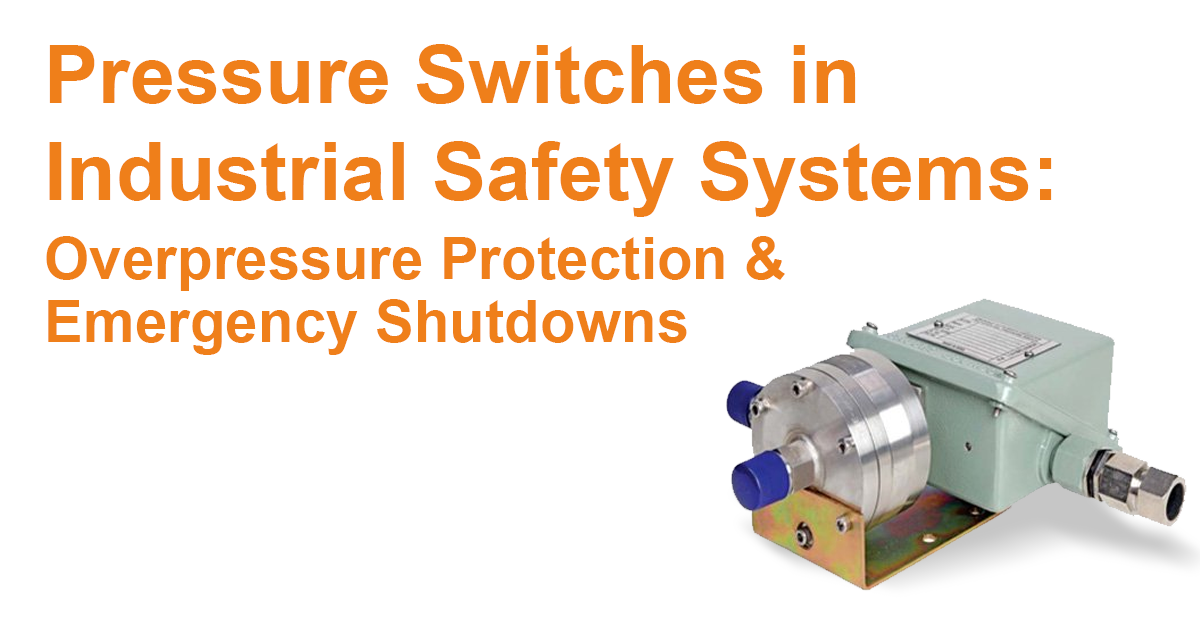
Pressure switches detect pressure changes within a system and transform them into an electrical signal. This signal can then trigger alarms, shut down equipment, or activate corrective procedures, ensuring that operations remain within safe limits. By defining particular pressure points, these switches automate the response to potentially harmful overpressure or under pressure conditions, serving as an important protection.
How are pressure switches eminent in almost every other industry?
Consider the potential hazards of a chemical factory, where pressure levels can be the difference between a successful operation and calamity. Pressure switches in these situations monitor reactor and pipeline pressures and are ready to activate emergency shutdowns or alarms at the first hint of problem, averting leaks, explosions, and other dangerous incidents.
Consider the oil and gas business, where pressure management is critical for preventing blowouts, leaks, and equipment failures. Pressure switches control the pressure in pipelines, drilling rigs, and storage tanks, ensuring that operations run smoothly and avoiding environmental disasters.
What prevents power plants' boilers, turbines, and cooling systems from exceeding acceptable pressure limits? Pressure switches, by constantly monitoring steam and coolant systems, they defend against equipment damage and safety threats, providing an uninterrupted power supply.
And what about industry, where hydraulic and pneumatic systems form the foundation of machinery? Pressure switches guarantee that these systems run within safe pressure limits, protecting workers and avoiding costly machinery breakdowns.
Even in fire suppression systems, pressure switches are critical components. They maintain the appropriate pressure to properly activate fire suppression devices, ensuring a quick reaction in emergency situations.
Types of pressure switches their applications and safety mechanism
Mechanical Pressure Switches
Mechanical pressure switches rely on mechanical movement of a pressure-sensing element, like a diaphragm, piston, or Bourdon tube. When pressure is applied, this piece deforms, triggering a mechanical linkage that activates a switch.
Typical Applications
- HVAC Systems: Monitoring and controlling air pressure.
- Hydraulic Systems: Ensuring safe operation by monitoring hydraulic fluid pressure.
- Pneumatic Systems: Regulating air pressure in various industrial equipment.
Safety mechanism of mechanical pressure switches
- Shutdown Systems: Triggering an emergency shutdown of equipment if pressure exceeds safe limits.
- Alarms: Using audible or visual alarms to warn operators of dangerous pressure levels.
Electronic Pressure Switches
Electronic pressure switches detect pressure changes by electronic sensors (such as piezoelectric, strain gauge, or capacitive sensors). These sensors turn pressure into an electrical signal that is then used by a microprocessor to actuate the switch.
Typical Applications
- Industrial Automation: Industrial automation involves precise pressure control in automated industrial operations.
- Medical Equipment: Medical equipment includes pressure monitoring and control devices like ventilators.
- Aerospace: Ensure precise pressure measurement in aviation systems.
Safety mechanisms electrical pressure switches
- Precision Control: Controlling pressure precisely to avoid dangerous situations.
- Data Logging: Data logging is the process of recording pressure data for later examination and diagnosis.
- Remote monitoring allows for real-time monitoring and control from remote locations.
How pressure switch functions under overpressure and as a beneficial safety instrument
Process Control
Use in Maintaining Safe Operating Conditions
Maintaining exact pressure levels is critical in industries like chemical plants and refineries to ensure safe and efficient operations. Pressure switches monitor and adjust these levels to avoid dangerous overpressure situations.
When a system's pressure exceeds a certain safe level, the pressure switch operates to reduce the risk of equipment damage, hazardous leaks, or explosions.
- Overpressure Protection: Due to their dependability and simplicity, mechanical pressure switches are frequently utilized in basic process control applications. They are appropriate for situations in which digital characteristics are not necessary and the key issue is reliable and simple pressure monitoring.
- Emergency shutdowns: Electronic pressure switches are chosen in complicated, high-risk environments such as chemical plants and refineries, where precise control and monitoring are critical. These switches can enable more accurate readings, data logging, and interaction with digital control systems, allowing for prompt and precise emergency shutdowns.
For example, in a refinery, an electronic pressure switch may monitor the pressure in a distillation column. If the pressure exceeds the safe working limit, the switch can cause an emergency shutdown of the column to avoid an explosion.
Emergency Shutdown Systems (ESD)
Role in Initiating Shutdown Procedures
Emergency Shutdown Systems (ESD) are essential for preventing accidents because they ensure that equipment and processes are safely and quickly shut down in the case of abnormal operating conditions. Pressure switches are essential to ESD, allowing real-time pressure monitoring and initiating shutdown processes as needed.
Overpressure Protection
Both mechanical and electronic pressure switches can be utilized in ESD applications, although electronic switches are frequently favored due to their ability to provide more precise and reliable performance under critical conditions.
Emergency Shutdowns
Electronic pressure switches can be set to respond to specified pressure thresholds and situations, ensuring that the ESD system shuts down operations quickly and precisely to reduce dangers.
For example, in an offshore oil platform, an electronic pressure switch may monitor the pressure in a gas pipeline. When it detects overpressure, it can rapidly activate the ESD system, closing valves and shutting down pumps to avert a rupture.
Fire Suppression Systems
Activation of Fire Suppression Mechanisms. Maintaining enough pressure in fire suppression systems is critical to the efficient operation of fire suppression mechanisms. Pressure switches guarantee that these systems operate in reaction to pressure changes, allowing for rapid response to fire emergencies.
Overpressure Protection
Mechanical pressure switches can be used to monitor and maintain the required pressure in fire suppression systems, assuring preparedness and reliability.
Emergency Shutdowns
While mechanical switches are useful, electronic pressure switches provide the added benefit of remote monitoring and control, allowing for quick adjustments and responses in critical situations.
For example, in a large commercial building, a pressure switch monitors the pressure in the fire suppression sprinkler system. If a dip in pressure is detected, suggesting a potential fire, the switch can activate the flow of fire suppressant into the affected area.
Leak Detection
Monitoring Systems to Detect Leaks in Pipelines and Vessels. Leak detection is critical for avoiding environmental risks and maintaining the integrity of industrial systems. Pressure switches aid in leak detection by monitoring pressure levels and detecting odd drops, which signal a leak.
Overpressure Protection
Mechanical pressure switches can reliably detect considerable pressure drops, signaling potential leaks. Emergency Shutdowns: Electronic pressure switches are better suited for more sensitive and precise leak detection, as they provide extensive monitoring and can swiftly activate alarms or shutdown procedures.
Let’s understand this by the example in a chemical processing plant, an electronic pressure switch monitors the pressure in a storage vessel. A sudden drop in pressure could indicate a leak, prompting the switch to trigger an alarm and initiate an emergency shutdown of the vessel to prevent spillage and contamination.
Conclusion
Ultimately, pressure switches are critical components of industrial safety, with a focus on overpressure protection and emergency shutdowns. Pressure switch manufacturers are always innovating to improve reliability, precision, and remote monitoring capabilities.
These measuring instruments, with little customization, can provide proactive pressure monitoring, allowing for rapid reaction to emergencies and compliance with safety regulations in a variety of sectors. Industries are strengthening safety systems to safeguard persons and assets while also ensuring operational continuity by embracing advances in pressure switch technology.
Pressure switches represent the commitment to safety in industrial manufacturing, playing an important part in operational excellence and risk reduction.

Key Considerations When Choosing a Valve Manifold...
May 27, 2024The Importance of Accurate Temperature Control in...
Jul 08, 2024
Recent Posts
The Importance of Accurate Temperature Control in...
Jul 08, 2024
Key Considerations When Choosing a Valve Manifold...
May 27, 2024