
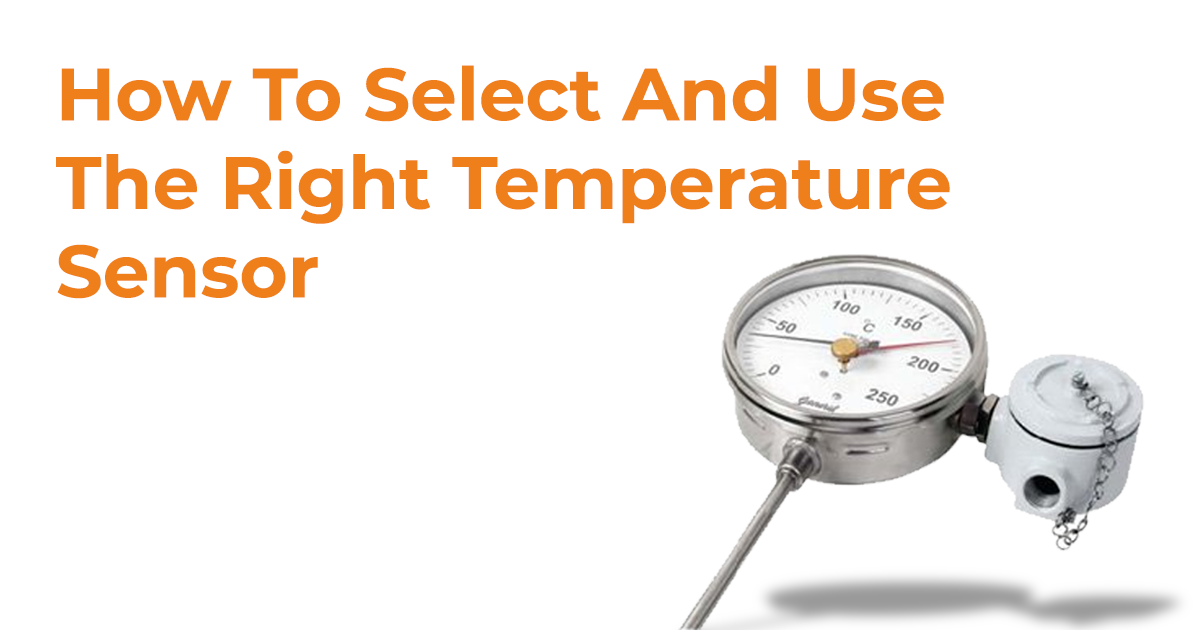
Temperature measuring is essential in both industrial and real-world applications. Precise temperature control in the industrial domain might make the difference between a flawless chemical synthesis and a costly error. In everyday life, think of the comfort of a warm, perfectly heated home.
We are fully familiar with the critical role of temperature measurements in everyday life and across many industries. Temperature measurement supports various aspects of our modern environment, from manufacturing operations to climate management.
As a result, selecting the appropriate temperature sensor becomes an important aspect of temperature measurement. Throughout this post, we will discuss the most effective approach to selecting and using a suitable temperature sensor for your specific application.
This post will cover all of the types of temperature sensors, their operating principles, benefits, limitations, temperature range, tolerance, accuracy, and interchangeability.
What is a temperature sensor?
A temperature sensor is just a thermometer that detects temperature and communicates the signal to computers or other temperature monitoring devices. It enables us to determine the temperature of our surroundings, as well as the temperature of machinery and equipment.
Different types of temperature sensors based on the working principle?
Let's consider the working principle of the temperature sensing instruments. Temperature sensors of several types are commonly used, including:
Thermocouples:
Working principle of Thermocouples
Thermocouples are another popular choice for temperature sensors. These sensors work on the Seebeck effect, where two different metals joined at one end produce a voltage proportional to the temperature difference between the joined end and the open end. This voltage, known as thermoelectric voltage, is then used to determine temperature precisely.
Resistance Temperature Detectors (RTDs):
Working principle of RTD (Resistance Temperature Detector)
The RTD (Resistance Temperature Detector) is a popular choice for various industries for temperature measurement. It works on an easy principle: when the temperature rises, the resistance of a pure metal wire within it rises accordingly (this wire is typically made up of copper, nickel, or platinum, wrapped around a ceramic or glass core). Because of the linear relationship between resistance and temperature, RTDs are a popular choice for many industrial applications.
Thermistors:
Working principle of Thermistor
Thermistors are temperature-sensitive resistors that change their electrical resistance in response to temperature variations. NTC (Negative Temperature Coefficient) thermistors lose resistance as temperature rises, whereas PTC (Positive Temperature Coefficient) thermistors gain resistance.
Because of its sensitivity and reliability, thermistors are invaluable for applications such as temperature monitoring and control due to this predictable and precise change in resistance. Thermistors are composed of ceramic materials. They exhibit a large difference in resistance to temperature.
Infrared Temperature Sensors:
(Working principle of Infrared Temperature Sensors)
Infrared temperature sensors work on the principle that all objects emit infrared radiation, and the amount of radiation emitted is proportional to their temperature. These sensors are made up of a lens and a detector that detects the infrared radiation emitted by the object being measured. This radiation then gets converted into an electrical signal by the detector.
The sensor estimates the temperature of the object by examining the strength of this signal without the requirement for direct touch, giving a non-contact and highly accurate temperature measuring system that is suitable for a wide range of applications.
Each type of sensor has its own advantages and is suitable for specific applications based on factors like temperature range, accuracy, and cost.
What are the factors to consider when selecting a temperature sensor?
Suited for Industry applications
The selection of a temperature sensor in the confusing ground of industrial processes necessitates rigorous attention to technical aspects. A variety of crucial elements must be evaluated in order to enhance precision and performance. Every aspect, from temperature range and accuracy to response time and environmental resilience, is critical in ensuring that the proper sensor matches perfectly with the unique demands of your industrial application.
As we delve into the technical complexities of temperature sensor selection, the following are the critical factors that guide the way to temperature measurement excellence in industrial settings:
Factors to consider before choosing the right temperature sensor for your industry-specific applications.
- Temperature Range: Ensure that the sensor's temperature range matches the temperature extremes in your application. Some sensors, such as thermocouples, have a wider range than others.
- Accuracy: Determine the level of precision required. The accuracy of different sensors varies, so choose one that fits your unique measurement requirements.
- Response Time: Consider the sensor's ability to detect temperature changes in real time. Some applications necessitate quick response times.
- Environmental Conditions: Examine the operating environment, taking into account conditions such as humidity, pressure, and the presence of corrosive substances, as they can all have an impact on sensor performance and lifespan.
- Mounting and Installation: Determine whether the sensor is simple to install in your system. Some sensors may necessitate unique mounting configurations.
- Calibration: Understand the calibration requirements and whether or not the sensor can be calibrated.
- Cost: To determine the sensor's total cost-effectiveness, compare its initial cost to its long-term advantages and accuracy.
- Durability: In your industrial setting, consider the sensor's durability and resilience to mechanical stress, vibration, and shock.
- Output Signal: Different sensors provide different forms of output signals (analog, digital, and so on). Check that the output of the selected sensor is compatible with your control and monitoring systems.
- Maintenance: Determine the sensor's maintenance needs, such as how frequently it needs calibration or replacement.
- Size and Form Factor: Determine whether the sensor's size and shape are compatible with your equipment and application space.
- Regulatory Compliance: Verify that the sensor complies with any industry-specific regulatory or certification criteria.
By delving into these technical complexities, you pave the way to temperature measurement excellence, guaranteeing that your chosen temperature sensor flawlessly matches with the particular requirements of your industrial application.
How to install and calibrate a temperature sensor
There are various steps to installing a temperature sensor in an industrial setting:
- Determine the Best Location: Select a sensor placement site that appropriately represents the temperature of the system or process under observation. Check that it is conveniently accessible for maintenance.
- Get the Mounting Surface Ready: Make certain that the mounting surface is clean, dry, and free of pollutants. This aids in the correct security of the sensor and provides accurate readings.
- Mounting the Sensor: Depending on the type of sensor, you may need to mount it in a specific way. In pipelines, for example, thermowells can store sensors, whereas surface-mounted sensors can be connected using adhesive or brackets.
- Wiring: Use industry-specific wiring standards to connect the sensor to the appropriate wire and junction box. To avoid electrical interference, ensure proper grounding and insulation.
- Calibration: Before using the sensor, calibrate it to ensure accurate temperature readings. This step is critical for ensuring measurement precision.
- Sealing: Depending on the application, sealing the sensor and its connections may be required to protect it from environmental elements such as moisture or dust.
- Testing: Perform extensive testing to ensure that the sensor is working properly. To verify accuracy, compare its readings to those of a trusted reference thermometer.
- Integration: Work with your control or monitoring system to integrate the sensor. Check for compatibility with the input needs of the system and configure it properly.
- Documentation: Keep thorough records of the installation, calibration, and performance of the sensor. This paperwork is critical for traceability and future upkeep.
- Regular Maintenance: Establish a maintenance program to ensure that the sensor continues to produce correct measurements. Examine for evidence of wear, damage, or drift.
By following these instructions, you can make sure that a temperature sensor is properly installed in your industrial environment, providing for accurate and dependable temperature monitoring that is crucial for your activities.
Calibration of the temperature sensor
Common Problems that occurs with Temperature Sensors in Industrial Settings:
Temperature sensors are critical precision monitors in all industrial settings, from oil and gas to nuclear. Apart from having a very simple design, and even after taking into account every aspect that hinders its performance, the temperature sensors also fall within the non-working zone, which reduces their accuracy. As we go deeper into the area of industrial sensor applications, it's vital to understand the common problems that these critical instruments endure.
- Sensor Drift
- Wiring Faults
- Contamination
- Exposure to Harsh Environments
Navigating these adversaries is essential to ensure that our temperature sensors continue to serve as reliable custodians of precision in the demanding industrial landscape.
Also Read:- Industrial Applications for Thermocouples
How to troubleshoot temperature sensor problems
Even the most precisely calibrated temperature sensors can malfunction. Troubleshooting is a skill that allows us to identify and resolve problems. A systematic approach starts with a visual inspection, followed by a thorough examination of connections, environmental factors, and potential sources of interference. Regular calibration and maintenance are preventive measures to ensure uninterrupted, reliable sensor performance. With these troubleshooting aspects in hand, we can keep our sensors in mint condition.
- Visual Inspection
- Wiring and Connections
- Environmental Factors
- Interference
- Drift
Conclusion
The study's fundamental conclusion is that precision in temperature measurement within industrial processes is non-negotiable. When we think about the best temperature sensors for our specific industry or industrial application. Several factors must be considered, beginning with the temperature range, surrounding settings, and ending with the durability and measurement nature. When we have correctly estimated our priorities, the options for us to pick from become fairly minimal. Although your industrial application may necessitate a different temperature range, General Instruments Consortium stocks every form of temperature measuring sensor.
With a methodical approach to gauge selection that is specific to your individual industrial needs, you can provide your processes with the precision and dependability required for smooth operations.Choose your temperature gauge cautiously, and watch as precision becomes your constant ally in the fast-paced world of industrial operations. Contact Us or Email us for more information and quotes regarding products.


Recent Posts

The Importance of Accurate Temperature Control in...
Jul 08, 2024

Key Considerations When Choosing a Valve Manifold...
May 27, 2024