
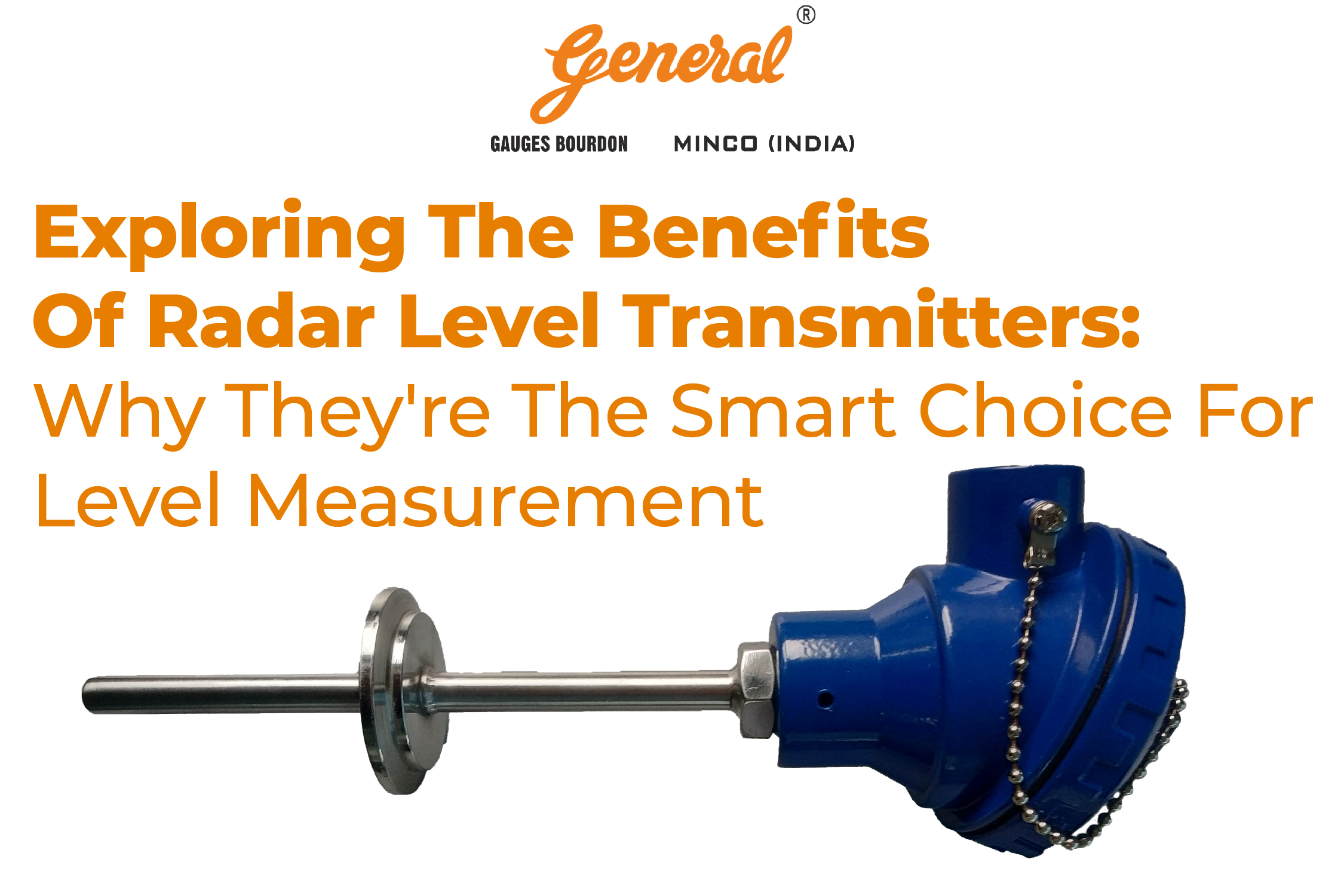
Level measurement is the equivalent process to the industry compared to the blood pumping of a heart. It keeps the process and different functions align with other components of the machineries in a plant.
As the significance and presence of the level measurements process and instruments are so common amongst the different industries, that every single industry has found itself the most suitable working principle to do the level measurement as per their most convenient method.
One of such working principle is transit time. It can be carried out in two ways, ultrasonic-based level measurement and radar-based level measurement.
Radar-based level measurements/ Radar level transmitters can measure levels in both contact and non-contact ways. A probe is dipped into the fluid tank during the contact type of measurement, and radio signals travel to the bottom of the tank and reflect from the varying levels of fluids in the tank.
In the non-contact type of Radar level measurement, radio waves are emitted from the top of the tank, travel to the bottom, and reflect the receiver from the various fluid levels.
The following are the most common principles of level measurement.
- Based on pressure
- Based on transit time and is divided into two types they are ultrasonic based level measurement and radar-based level measurement
- Based on attenuation and radiation
- Electrical level measurement based on conductivity
- Capacitive level measurement
Also read: 5 Ways Level Gauges Help In Chemical Industry For Level Measurement
Working Principle Of Radar-Based Level Measurement
Radar level transmitters work similarly to ultrasonic transmitters, determining the distance from the transmitter (placed at some high point) to the surface of a process material situated further down by measuring the time-of-flight of a travelling wave.
The primary difference between a radar and an ultrasonic instrument is the type the wave used: radio waves rather than sound waves.
Radar level transmitters are the ideal solution for precise level measurement when reliability and precision are critical. Since the Radar-Based working principle is based on non-contact measurement. It has various advantages over other types of level measuring.
Advantages Of Radar-Based Transmitters/Radar-Based Level Measuring Instruments
- Superior Accuracy: Radar level transmitters reach unmatched accuracy by utilising modern signal processing techniques to produce very precise and reliable level measurements. These transmitters excel in giving exact data, optimising process control, and assuring operational efficiency even in hostile settings characterised by severe temperatures, pressure differentials, or vapours.
- Non-Contact Measurement: The ability of radar level transmitters to measure levels without making physical contact with the substance is its defining characteristic. This non-intrusive technology reduces the possibility of contamination, corrosion, or sensor damage, making it perfect for applications demanding the highest level of purity and sensitivity.
- Versatility Across Materials: Radar-level transmitters are intended to work with a wide range of materials, including liquids, slurries, granules, and powders. Their measuring precision is unaffected by changes in density, viscosity, or dielectric constant, allowing for accurate measurements in a wide range of industries and applications.
- Range Capability: Using radar technology, these transmitters have outstanding measuring ranges, allowing for exact level detection in towering tanks or deep vessels. They easily penetrate vapours, foam, or dust, ensuring accurate readings even under the most difficult operating circumstances.
Also read: Radar Level Transmitter: A new phase in contactless level measurement
Why A Radar-Based Level Measurement Is The Future?
We've previously discussed how significant and widespread level measuring is in the industry. In this instance, selecting the proper technology is critical for precise and dependable results.
Among the different alternatives available, radar-based level measuring is the superior choice. This is most likely why many industry experts and professionals only consider the most reputable Radar Level transmitter manufacturers and suppliers.
- Unmatched Accuracy & Precision
- Non-Contact and Non-Intrusive
- Versatility & Adaptability to wide range of materials
- Exceptional Range Capability
- Robust Performance
Radar-based level measurement equipment has emerged as the industry's chosen form of a level measurement instrument for accurate and consistent level measurements. Its five most advantageous characteristics are unparalleled precision, non-contact operation, material adaptability, remarkable range capabilities, and solid performance, making it the ideal choice for a wide range of applications.
Industries may improve process control, safety, and operational efficiency by utilising radar-based level measuring technology, eventually leading to higher production and profitability. Lastly, due to its peak performance and industry favourite, there are multiple cheaper models with no proper identification and hall-mark available in the market.
So, make sure fr your level measurement practises you buy radar-based transmitters from the authentic and registered Radar Level transmitter supplier.
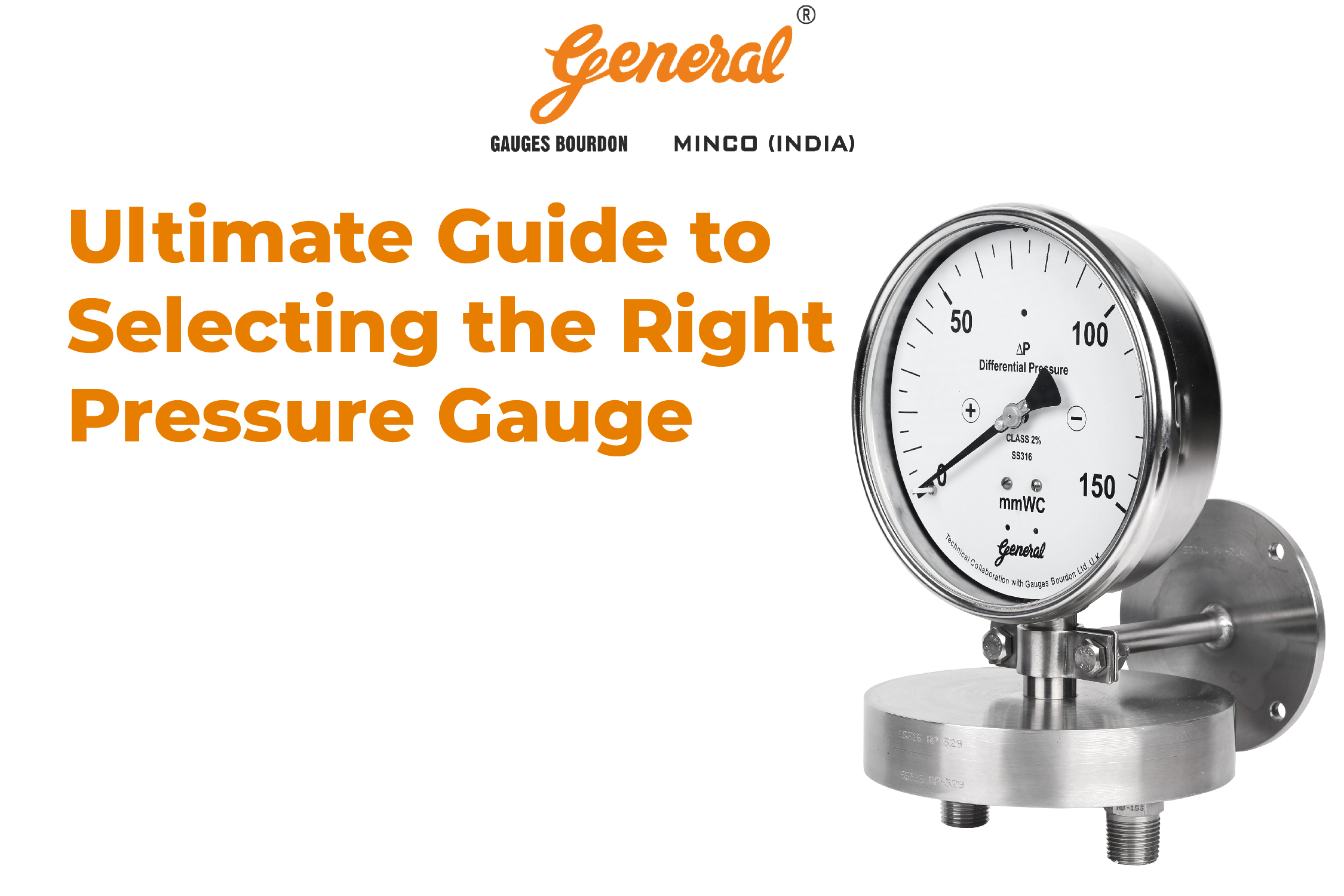
A Complete Overview and Types of Pressure Gauges
Jul 31, 2023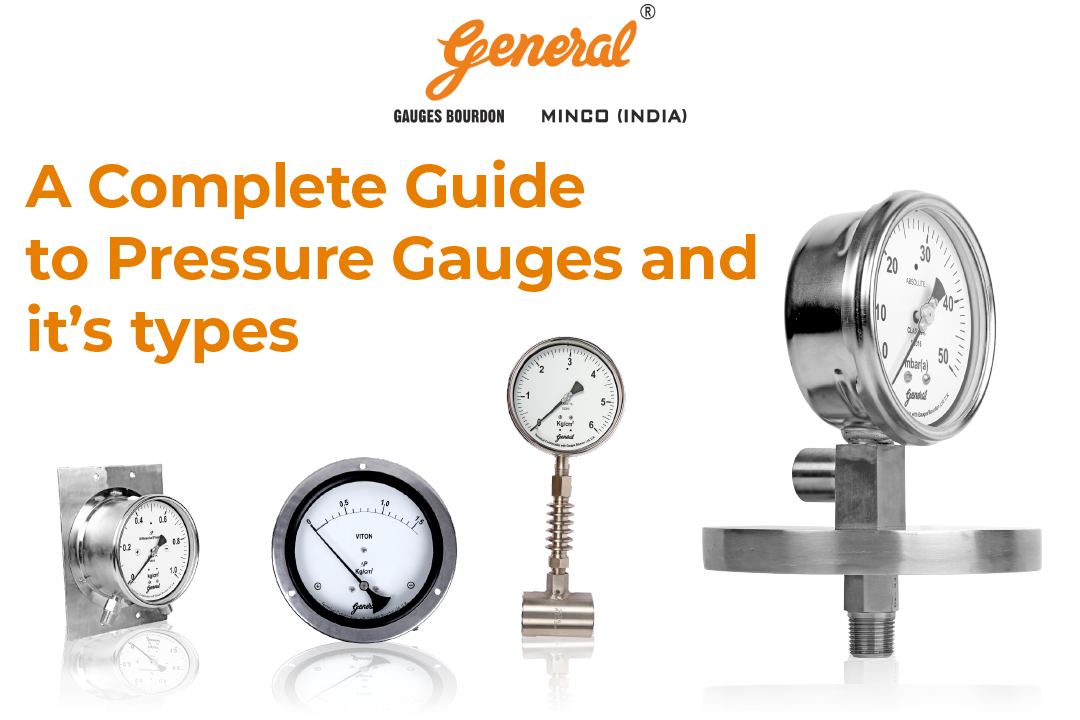
Recent Posts

The Importance of Accurate Temperature Control in...
Jul 08, 2024
Key Considerations When Choosing a Valve Manifold...
May 27, 2024